Three ways into Peruvian cooking
- Discovering a dish: knowing what it contains, where it comes from, whether it is spicy, what to mention if you have an allergy. Start with dishes to discover, regional cuisines and ingredients.
- Choosing a place to eat: knowing what a menu offers, at what price, at what time, and what we really know about a restaurant. See the guide’s restaurants and reading the menu.
- Cooking once you are home: our recipes are suggested adaptations for a European kitchen. None has yet been tested by the team: each page says so, with its substitutions and its limits.
A map of the cuisines
| Region | What characterises it | To taste | Going further |
|---|---|---|---|
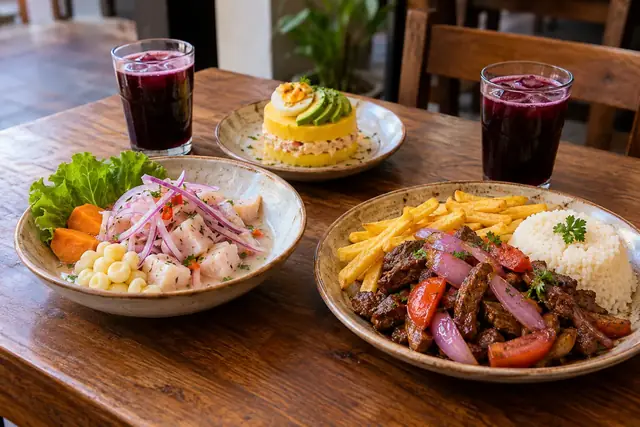
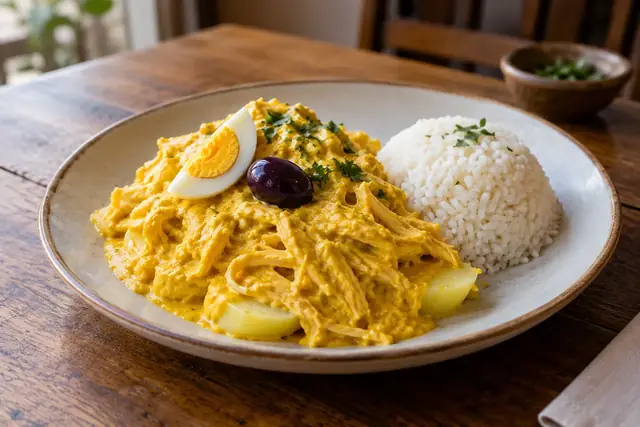
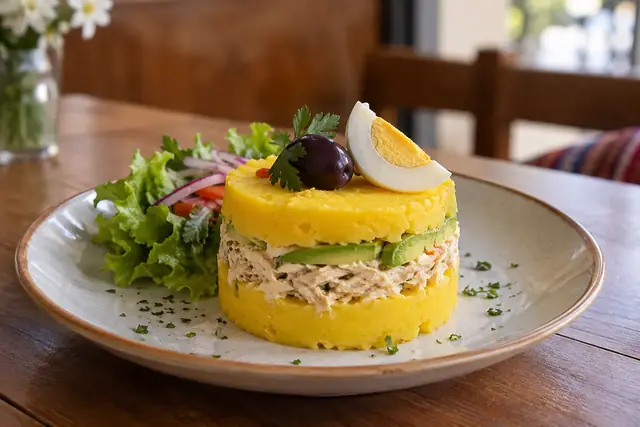
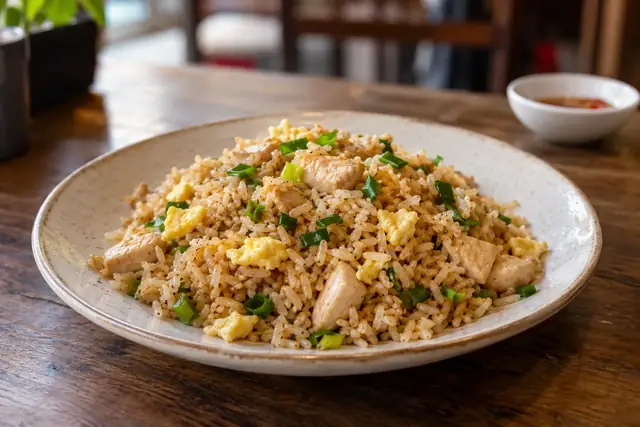
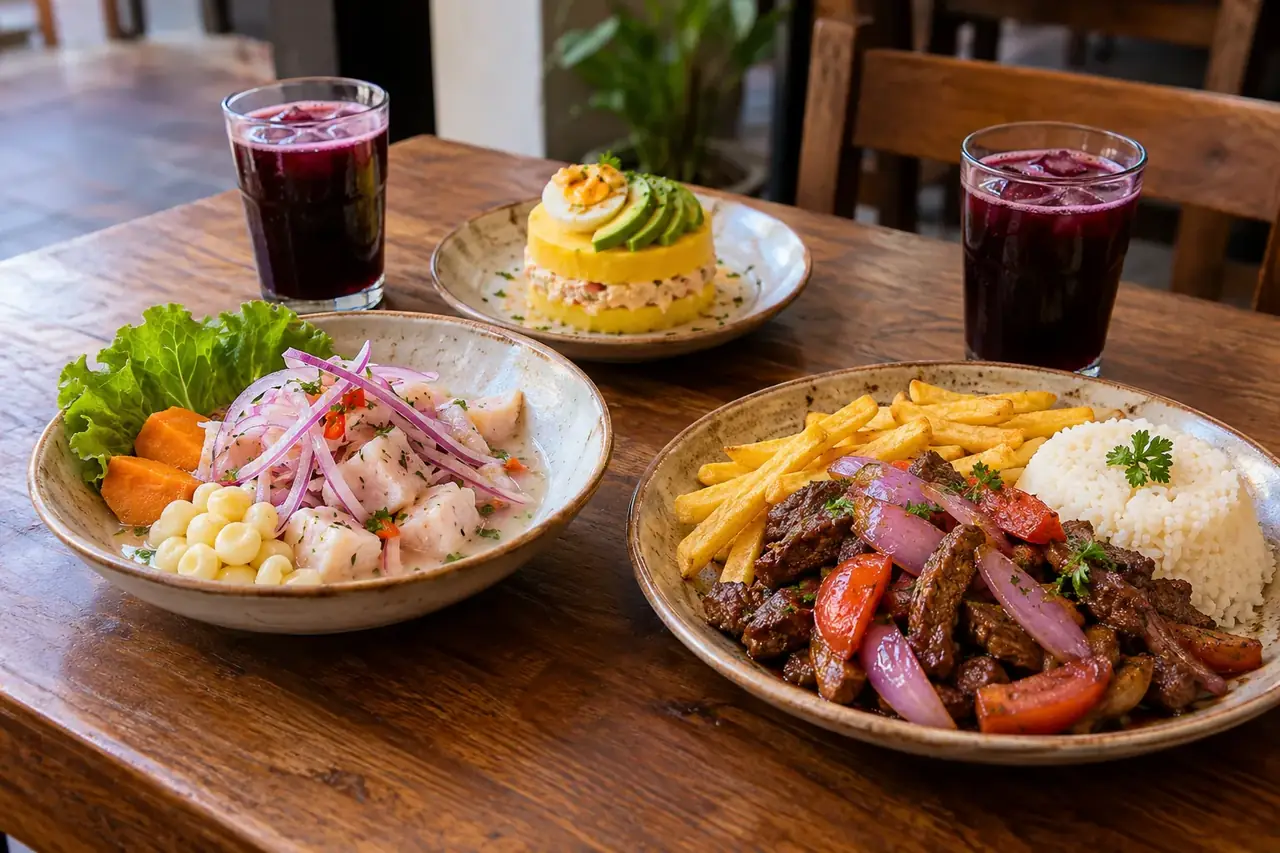
| Lima | The sea, criollo cooking, African, Chinese and Japanese contributions | Ceviche, causa, ají de gallina, anticuchos, chaufa | Lima |
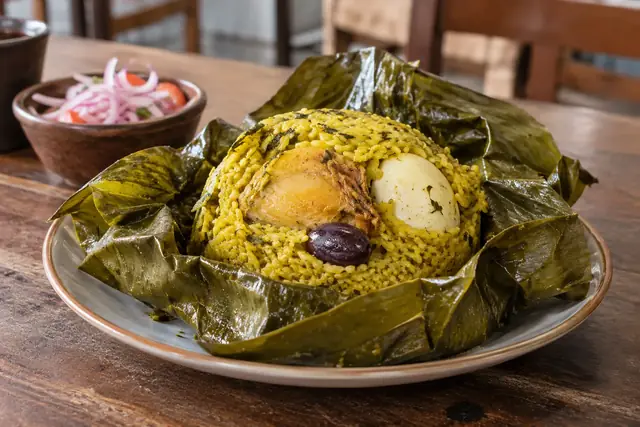
| North coast | Hot climate, the sea, kid goat, chicha de jora | Ceviche de conchas negras, seco de cabrito, arroz con pato | North coast |
| Ica and Chincha | Afro-Peruvian culture, vines and pisco | Carapulcra, sopa seca | Ica and Chincha |
| Arequipa | The picantería and its soup of the day | Rocoto relleno, ocopa, chupe de camarones | Arequipa |
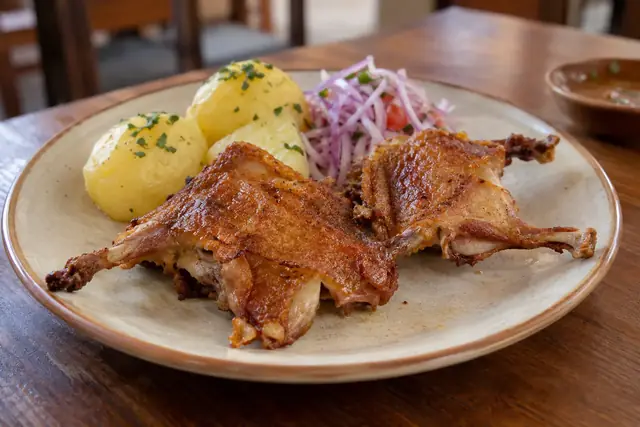
| Andes | Corn, potatoes, cooking on stones | Pachamanca, chairo, cuy | Andes |
| Amazon | Leaves, embers, plantain, fruit | Juane, tacacho, patarashca | Amazon |
The techniques and ingredients that matter
Peruvian cooking rests on a few techniques that come up from one dish to the next:
- The aderezo: onion, garlic and chilli paste fried together, the base of most stews.
- The quick lime marinade of ceviche, which UNESCO has inscribed, together with the knowledge surrounding it, as intangible cultural heritage.
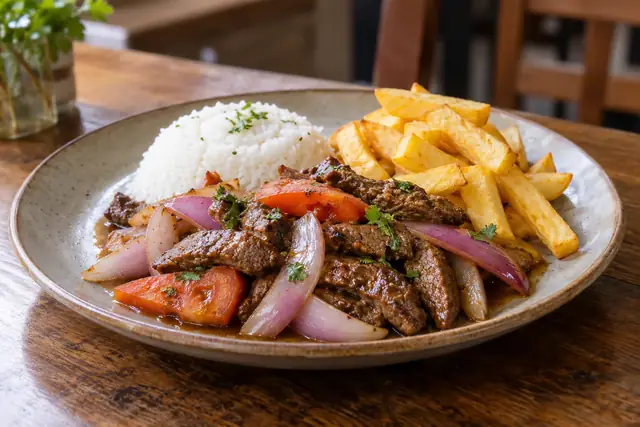
- Wok stir-frying for lomo saltado and chaufa, inherited from Chinese cooks.
- Grinding on the batán, the grinding stone of Arequipa’s picanterías.
- Cooking on hot stones for pachamanca, and cooking in leaves in the Amazon.
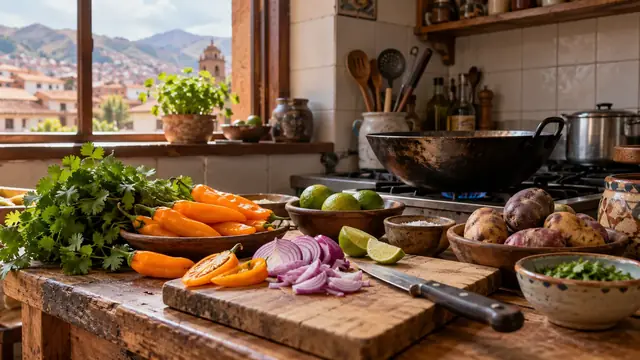
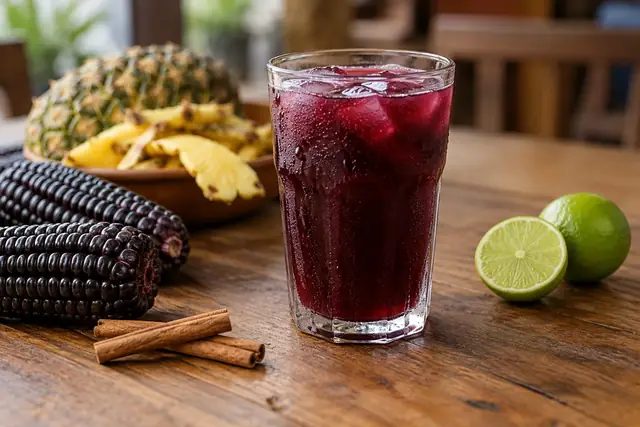
And a few ingredients to recognise: ají amarillo, fruity, rocoto, very hot, huacatay, a herb, the papa amarilla of causa, the purple corn of chicha morada. See ingredients.
A first week at the table
A route for a first week in Lima, to adapt to your pace and your tastes:
- The day you arrive: a pollo a la brasa, one of the most eaten dishes in the country, born around 1950 from an idea of a Swiss immigrant. See its story.
- The second day, at lunchtime: a cebichería, a classic ceviche and a tiradito; raw fish is eaten at lunch.
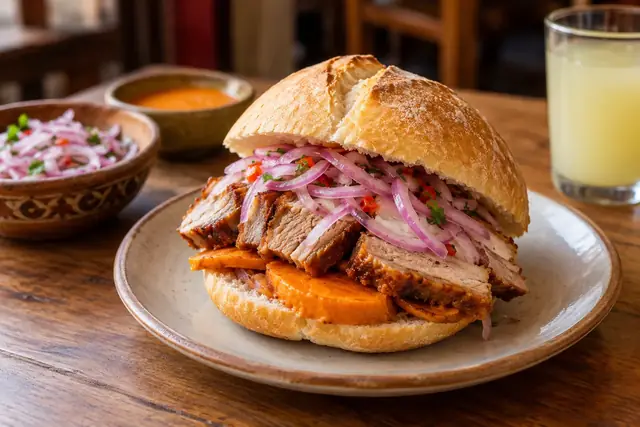
- The third day, in the morning: a pan con chicharrón and a café pasado in a sanguchería. See breakfast.
- The fourth day: a menú of the day, starter, main course and drink, like the people of Lima who work. See reading the menu.
- The fifth day: a chifa, a chaufa and a wantán.
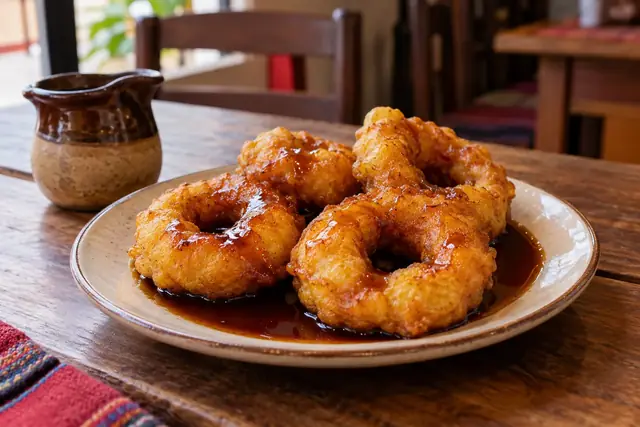
- The sixth day: a criollo restaurant with several people, causa, ají de gallina, a slow-cooked dish, picarones.
- The seventh day: a market in the morning, for the fruit you have never tasted. See Lima’s markets and fruit.
If you then head for Arequipa, the north or the Amazon, let the region change your menu: see regional cuisines.
Eating with a few simple habits
Favour well-cooked food served hot, bottled water with an unbroken seal, and fruit you can peel. For juices and ice, ask what water is used. Raw preparations call for more caution: the lime in ceviche is no substitute for cooking. You can discover the local food without turning every meal into a worry. See health: eating out.
Places to eat, with their status
Each restaurant page says separately whether we have been there (not yet, for now), where its information comes from and whether we have a commercial interest (none). It gives the menu consulted, its date, prices noted and meals costed from those prices. See the guide’s restaurants.
Sources and dates
4 sources
Prices, opening hours and rules change: every piece of information cited links to its source, with the date it was consulted.
Sources consulted
- PROMPERÚ, Lima’s cuisine (new tab) (consulted on 3 October 2026)
- PROMPERÚ, Andean cuisine (new tab) (consulted on 3 October 2026)
- PROMPERÚ, the cuisine of the Amazon (new tab) (consulted on 3 October 2026)
- Wikipedia (Spanish), Cebiche (UNESCO intangible cultural heritage) (new tab) (consulted on 3 October 2026)
How we choose and date our information: our method. Has something changed? Let us know.