
Why the cooking changes from one region to another
Three reasons, which combine:
- The environment. The coast lives from the sea: the cold Humboldt Current makes the Peruvian Pacific very rich in fish. The Andes grow potatoes, corn, broad beans and quinoa and raise llamas, alpacas and cuyes; the dry cold of the high plateaus makes it possible to preserve tubers by dehydrating them (chuño). The Amazon brings plantain, cassava, river fish and fruit.
- History. The Spanish brought beef, pork, wheat, rice, the vine and frying. Enslaved Africans, and then their descendants, gave Lima’s cooking offal, anticuchos and tacu tacu, according to PROMPERÚ.
- More recent migrations. Chinese workers, who arrived from 1849, the Japanese, who arrived at the end of the century, the Italians who settled in Chincha: each adapted their cooking to the country’s produce, and the country adopted these dishes.
This guide describes tendencies, not fixed recipes: each family, each cook has their own version, and none is more “authentic” than another.
Where people eat
Each format has its time of day and its dishes; none is a cut-price version of another.
| Place | What you eat there | When |
|---|---|---|
| Cevichería | Ceviches, tiraditos, fish and seafood dishes | Mainly at lunchtime |
| Picantería, chichería | Soups of the day, spicy stews, chicha; in the southern Andes and the north | At lunchtime, until it runs out |
| Pollería | Pollo a la brasa, chips, salad | Lunchtime and evening; by the quarter or whole |
| Chifa | Chinese-Peruvian cooking: chaufa, tallarín saltado, wantán | Lunchtime and evening |
| Huarique | Small neighbourhood place known for one dish | Depends on the dish |
| Menú, comedor | Set meal of the day at a fixed price | Weekday lunchtimes |
| Mercado | Juices, soups, ceviche, breakfast at the stalls | Morning and lunchtime |
Lima, the criollo table
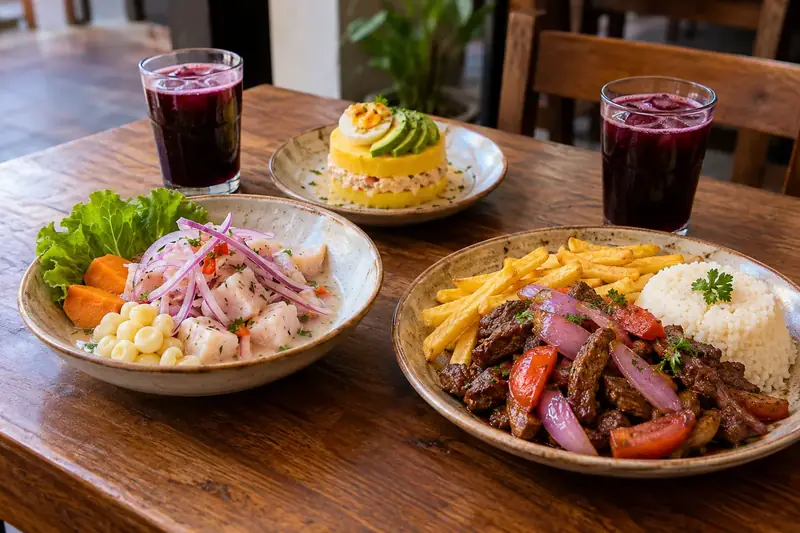
According to PROMPERÚ, Lima’s cooking mixes African, indigenous, Spanish and Chinese influences. You find the cooking of the sea (ceviche, tiradito, parihuela), criollo cooking born of mixing (causa, ají de gallina, tamal, carapulcra), African contributions (beef heart anticuchos, tripe cau cau, tacu tacu) and stir-fried dishes from the Chinese fondas (lomo saltado, arroz chaufa).
Three techniques: the quick lime marinade (ceviche); stir-frying over a high heat in a wok (saltado); slow stewing on an “aderezo”, a base of onion, garlic and chilli paste fried together.
A typical meal: a causa or a ceviche at lunchtime, a criollo dish to share, a suspiro a la limeña or a mazamorra morada. See the guide’s restaurants and Lima’s food lover’s day.
Chifa and nikkei cooking
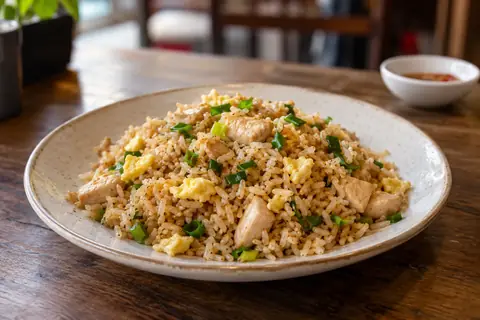
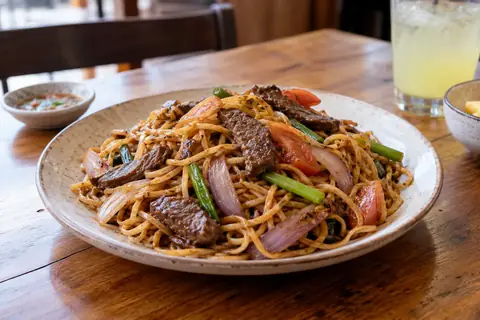
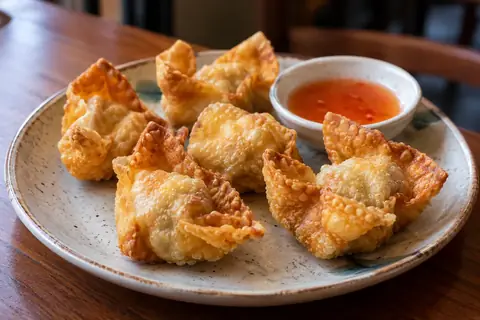
Chifa. The first Chinese workers arrived in Peru in 1849, on eight-year contracts for the large estates on the coast, often in conditions close to slavery, according to Wikipedia. They kept their cooking, sowed their vegetables, imported their produce, then opened fondas. The word “chifa” is said to come from the Cantonese for “eating rice”, which the people of Lima heard in these fondas in the 1930s. There you order an arroz chaufa (fried rice), a tallarín saltado, a wantán fried or in soup. Lomo saltado and tacu tacu are also said to bear this influence.
Nikkei cooking. Japanese immigrants arrived at the end of the 19th century to work on the coast’s sugar haciendas. From Chinese shopkeepers they got soy sauce and Asian vegetables, and they found an ocean rich in fish. Some ran fondas serving criollo cooking and introduced shoyu and miso: ceviche took on a Japanese accent. According to Wikipedia, Minoru Kunigami, a second-generation nikkei, opened around the middle of the last century, on Calle Paruro in the centre of Lima, a cevichería considered the first nikkei restaurant. Nikkei ceviches, like the one on La Mar’s menu, come from this dialogue.
Pollo a la brasa, a Swiss story
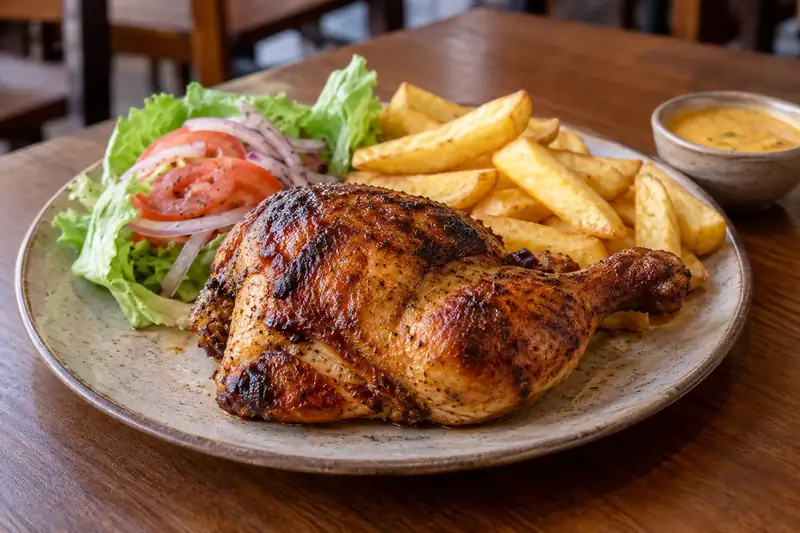
One of the most eaten dishes in Peru has a Swiss origin. The accounts agree on the essentials: Roger Schuler, a Swiss immigrant who raised chickens east of Lima at the end of the 1940s, designed with the Swiss engineer Franz Ulrich a rotating spit able to cook many chickens at once, and opened La Granja Azul. They differ on the details: Wikipedia places the farm in Chaclacayo and the opening on 19 December 1949, while the Lima press (La Cámara in 2023, El Comercio for the restaurant’s 75th anniversary) places the farm in Santa Clara in 1949 and dates the restaurant’s opening to 5 February 1950. Without first-hand records, let us settle on a birth around 1950. At first reserved for the well-off, the dish became popular from the 1970s; the Ministry of Culture recognises it as a culinary speciality of Peru.
The chicken is marinated (dark beer, chicha, rosemary, huacatay, cumin, ají panca depending on the restaurant), roasted on a spit over embers, served by the quarter for one person or whole for a family, with chips, salad and sauces. See the pollo a la brasa recipe.
The north coast: kid goat, duck and chicha
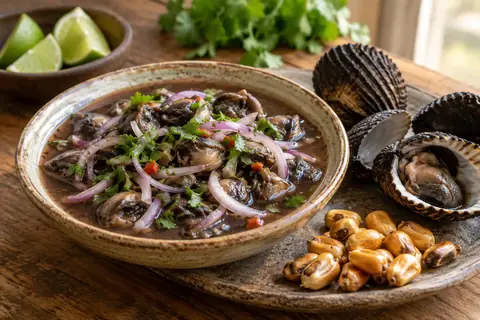
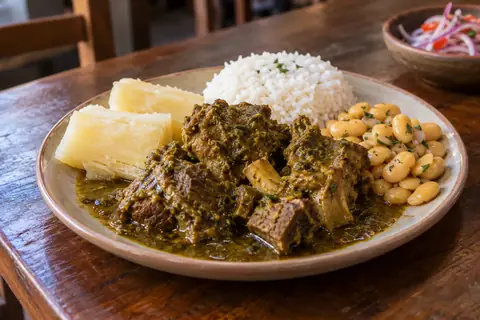
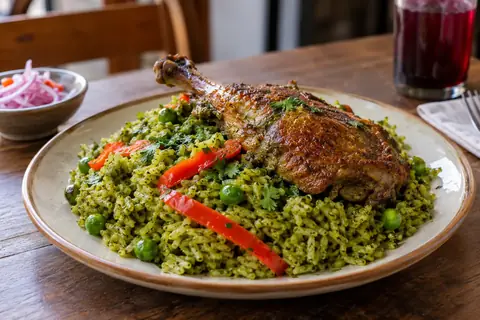
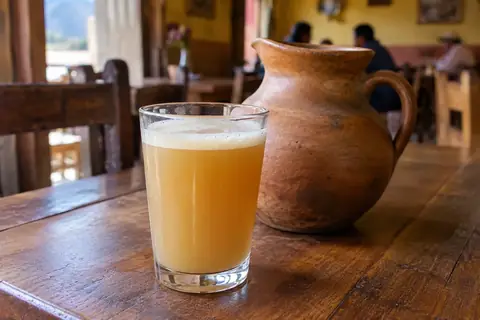
From Trujillo to Tumbes, the climate is hot and the sea generous. PROMPERÚ mentions ceviches of fish and conchas negras, sudado, seco de cabrito (kid goat, raised in the region), Piura’s seco de chabelo (beef and mashed plantain), Lambayeque’s arroz con pato with green coriander rice, whose earliest mentions date from 1860 according to Wikipedia, and soups such as shámbar. People drink fresh chicha de jora and eat in chicherías where the cooking is done over wood and in earthenware pots.
Three techniques: marinating in chicha de jora or dark beer (cabrito, duck); cooking over wood in an earthenware pot; drying salted fish (chinguirito, a ceviche of dried guitarfish).
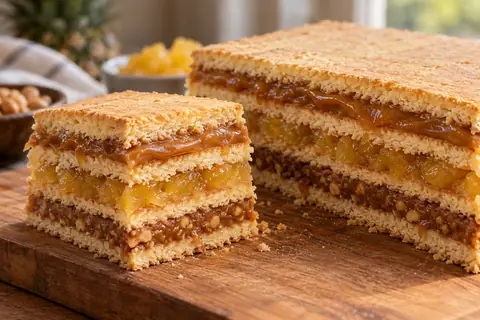
A typical meal: a ceviche of conchas negras, a seco de cabrito with rice and beans, a chicha de jora, a King Kong (a giant alfajor with manjar blanco) for the journey. See the north coast and Chulucanas Lima, Piura cooking in Lima.
Ica and Chincha: the Afro-Peruvian cooking of the south
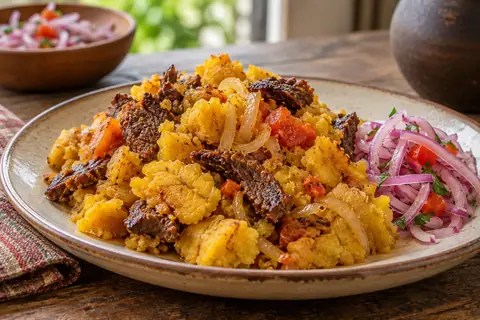
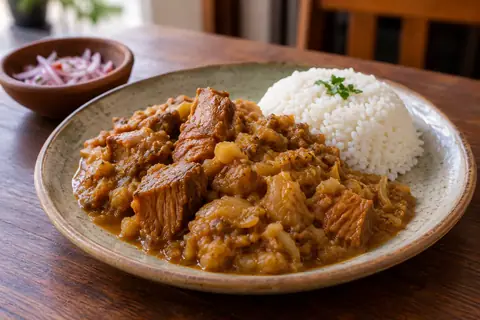
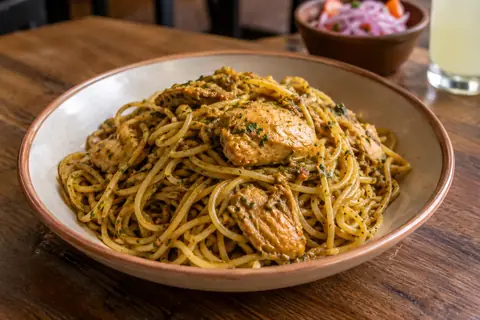
South of Lima, the province of Chincha is a centre of Afro-Peruvian culture. Carapulcra is a stew of potato, pork, peanuts and chilli: in Lima it is made with dried potato (“papa seca”), and Wikipedia notes that in Chincha it is also made with fresh potato. According to Marca Perú, sopa seca was born of pasta brought by Italian immigrants and adapted by Afro-Peruvian cooks with chilli, basil and spices; served together, carapulcra and sopa seca make up the “manchapecho” of weddings and christenings. The Ica region is also the land of pisco and vineyards.
Three techniques: drying potatoes; long simmering; cooking pasta in stock until it is absorbed.
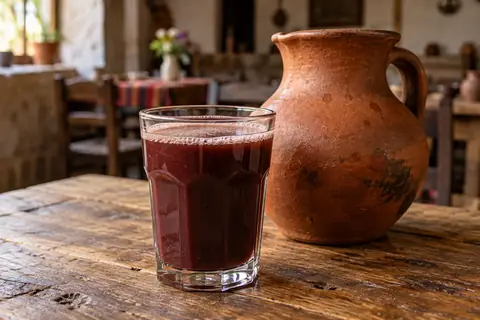
A typical meal: a manchapecho (carapulcra and sopa seca) and a chicha morada. Recipes: carapulcra, sopa seca.
Arequipa: the picantería
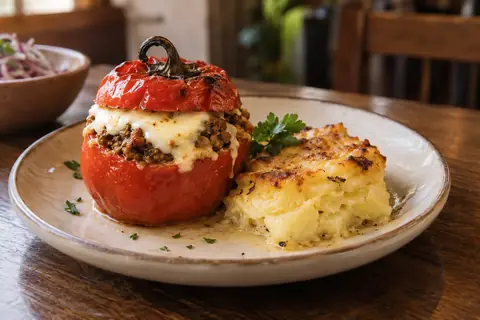
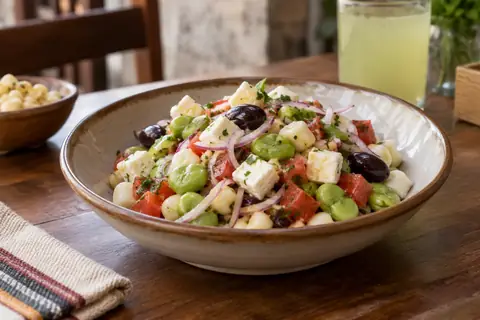
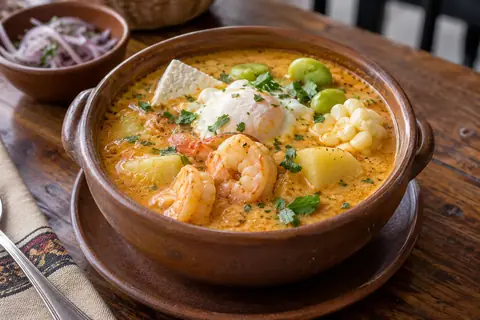
In Arequipa, food is eaten at the picantería, declared cultural heritage of the nation in 2014. Each day of the week has its soup: chaque on Monday, chairo on Tuesday, chochoca on Wednesday. Rocoto relleno (chilli stuffed with meat), ocopa with mirasol chilli and the herb huacatay, solterito of broad beans and fresh cheese, chupe de camarones with river prawns and cuy chactado fried under a stone are its classics, according to Marca Perú. The sauces are traditionally ground on the batán, a grinding stone.
Three techniques: grinding on the batán; frying under a stone (chactado); fermenting chicha de guiñapo.
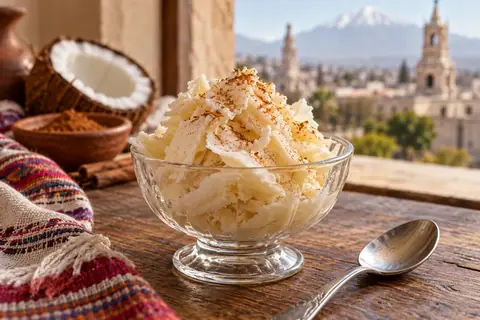
A typical meal: the almuerzo of the day with its chicha, or a rocoto relleno and a solterito to share, then a queso helado. See La Nueva Palomino and Arequipa.
The Andes: corn, potatoes and cooking on stone
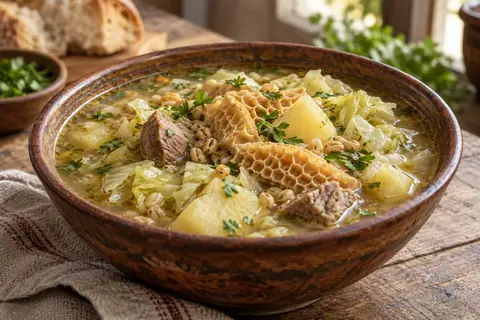
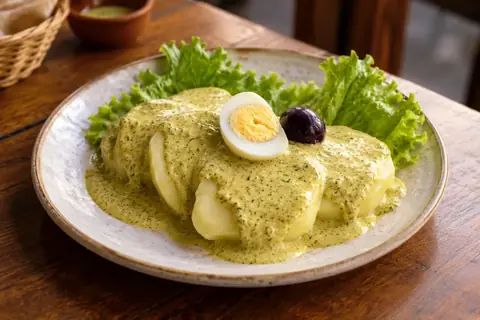
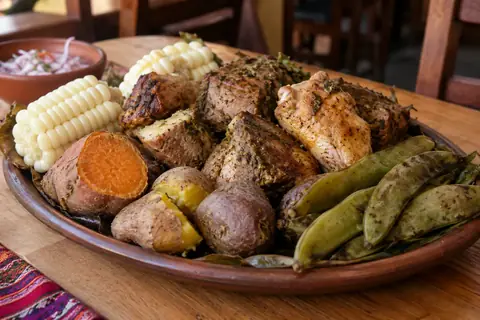
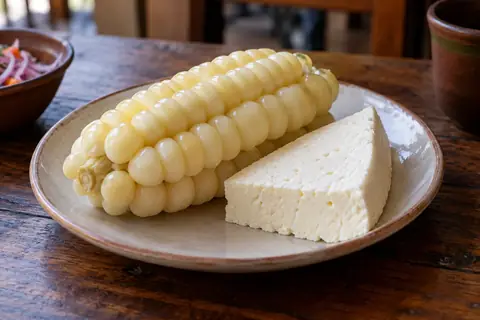
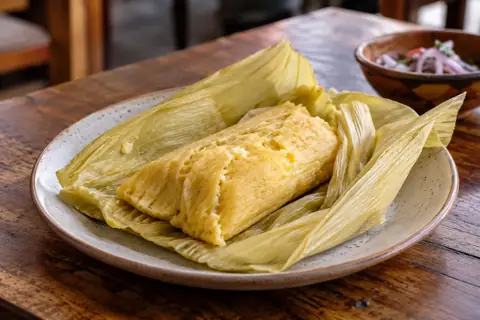
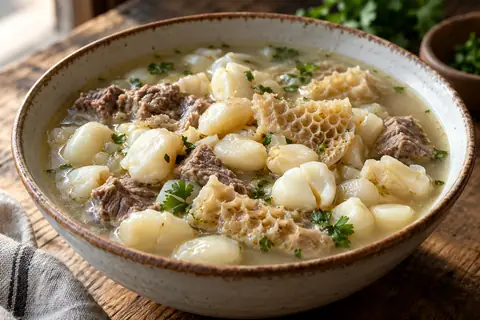
PROMPERÚ describes a cuisine of stews, soups and meats, cooked over a wood fire in earthenware pots. Corn is eaten on the cob with cheese (choclo con queso), toasted (cancha), as humitas; the potato comes in a great many varieties and as chuño. Soups carry the meal: chairo, corn lawa, patasca. Pachamanca (“earth pot” in Quechua) cooks marinated meats, potatoes, broad beans and humitas on heated stones, in a hole covered with earth: a technique attested for millennia, and a communal meal.
Three techniques: cooking covered on hot stones (pachamanca, huatia); natural freeze-drying by frost and sun (chuño); drying meat (charqui, cecina).
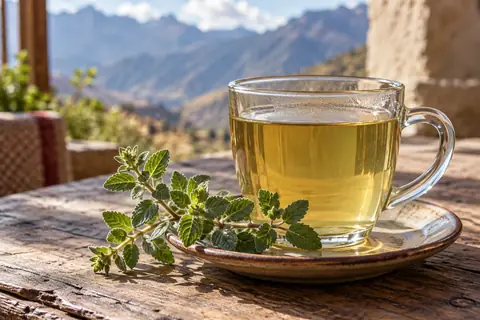
A typical meal: a hot soup at lunchtime, a meat or cuy dish in a place that advertises it, a mate de muña. See cuy and Cusco and the Sacred Valley.
The Amazon: leaves, embers and fruit
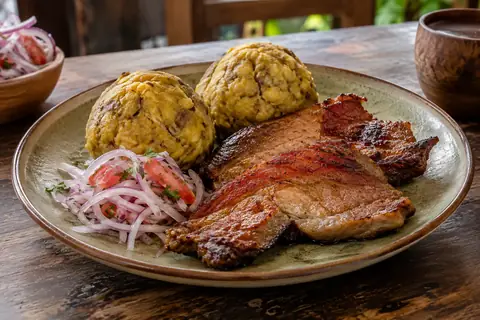
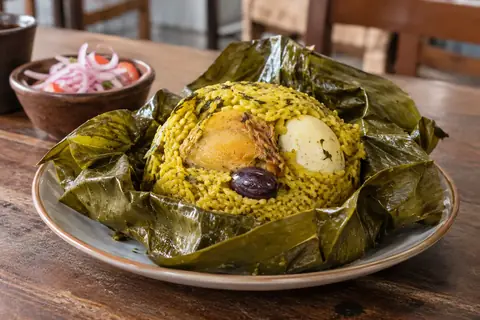
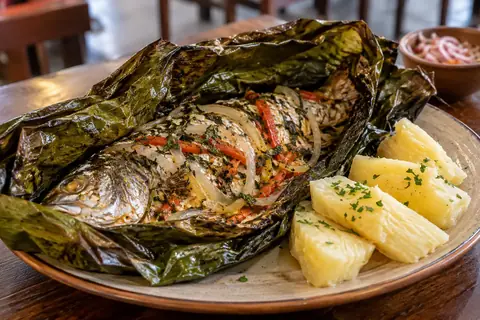
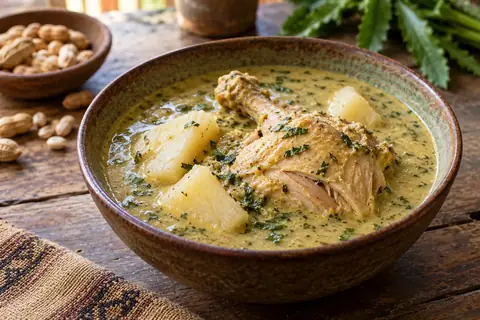
In the forest, food is cooked in leaves and over embers. Juane, rice and hen wrapped in a bijao leaf and then boiled, is the dish of the San Juan festival, on 24 June; according to the National Library of Peru as cited by Wikipedia, it is said to come from Moyobamba. Tacacho is a ball of roasted, mashed plantain, served with chicharrón or cecina (dried, smoked pork). Patarashca is fish cooked in a parcel of leaves over embers. PROMPERÚ also mentions inchicapi, a hen soup with peanuts, and drinks: fermented masato, aguaje and cocona juices.
Three techniques: cooking in leaves (juane, patarashca); smoking and drying meat (cecina); roasting plantain.
A typical meal: a tacacho con cecina at breakfast, a juane or a patarashca at lunchtime, a cocona juice. Recipes: juane, tacacho con cecina, fish in leaves inspired by patarashca. See the Amazon.
Sources and dates
13 sources
Prices, opening hours and rules change: every piece of information cited links to its source, with the date it was consulted.
Sources consulted
- El Comercio, Granja Azul’s 75 years (opening dated 5 February 1950, 2025) (new tab) (consulted on 7 October 2026)
- La Cámara (Lima Chamber of Commerce), Granja Azul: poultry farm in 1949, opening on 5 February 1950 (11 October 2023) (new tab) (consulted on 7 October 2026)
- PROMPERÚ, Lima’s cuisine (African, indigenous and Chinese influences) (new tab) (consulted on 3 October 2026)
- PROMPERÚ, the cuisine of the north coast (new tab) (consulted on 3 October 2026)
- PROMPERÚ, Andean cuisine (new tab) (consulted on 3 October 2026)
- PROMPERÚ, the cuisine of the Amazon (new tab) (consulted on 3 October 2026)
- Marca Perú (PROMPERÚ), the sopa seca of Chincha (18 January 2022) (new tab) (consulted on 3 October 2026)
- Marca Perú (PROMPERÚ), the cuisine of Arequipa (13 July 2018) (new tab) (consulted on 3 October 2026)
- Wikipedia (Spanish), Cocina chifa (new tab) (consulted on 3 October 2026)
- Wikipedia (Spanish), Gastronomía nikkei (new tab) (consulted on 3 October 2026)
- Wikipedia (Spanish), Pollo a la brasa (Perú) (new tab) (consulted on 3 October 2026)
- Wikipedia (Spanish), Arroz con pato, Juane, Pachamanca, Picantería, Carapulcra (new tab) (consulted on 3 October 2026)
- PROMPERÚ, dishes of the Amazon and the San Juan festival (new tab) (consulted on 26 September 2026)
How we choose and date our information: our method. Has something changed? Let us know.