In short
Two full days are enough for the essentials: the historic centre and the Santa Catalina monastery on the first day, the Santuarios Andinos museum, San Lázaro and the Yanahuara viewpoint on the second, with lunch at a picantería each day. Arequipa, at around 2,300 metres, is also the right stop for acclimatising before the Colca and Puno.
A city of volcanic stone
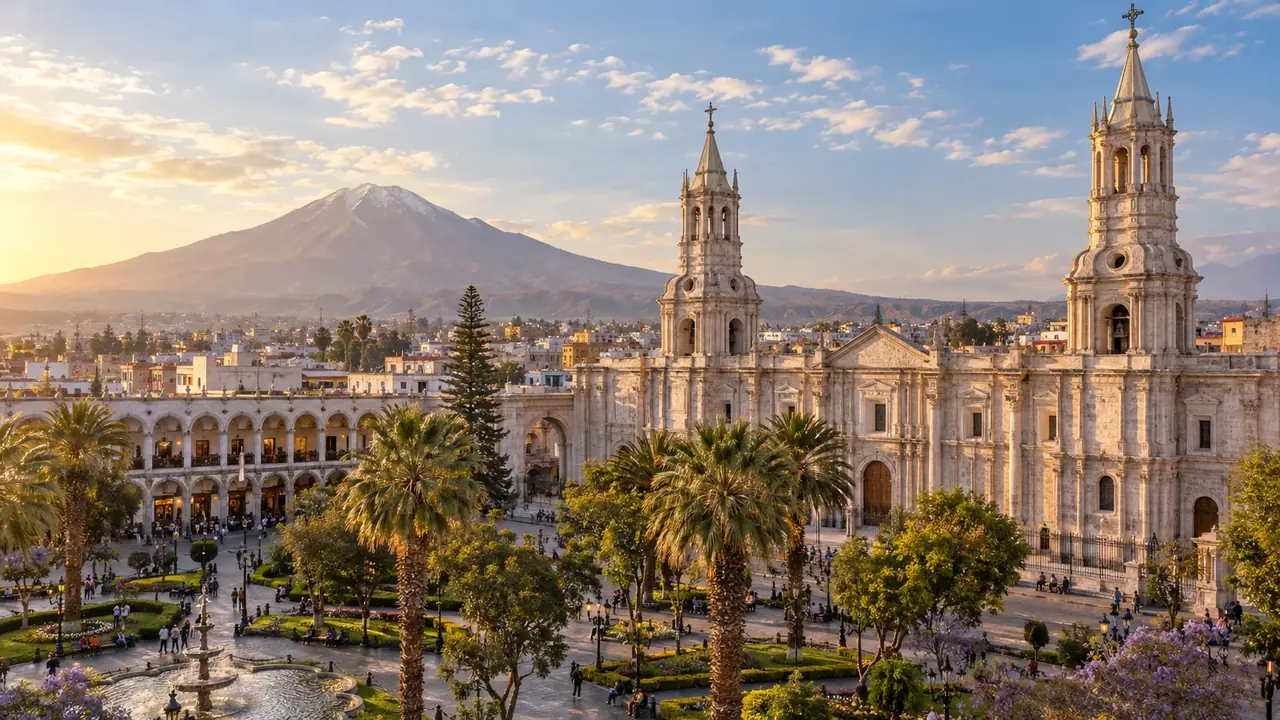
Arequipa was founded by the Spanish on 15 August 1540, in the valley of the Chili River, on land that was already inhabited and farmed. It lies at about 2,335 m, at the foot of three volcanoes visible from almost everywhere: El Misti, Chachani and Pichu Pichu.
Sillar is the key to the city. It is a white, sometimes pinkish, volcanic rock formed from ancient ash flows, soft enough to be finely carved and light enough to build vaults. The many earthquakes (1600 and 1604, 1868 and 1913 among the most destructive) forced repeated rebuilding: hence these low houses, with thick walls, round arches and vaulted roofs, and these carved doorways where European motifs mingle with Andean plants or faces. Art historians speak of mestizo Baroque: Arequipa is one of its points of reference in the southern Andes. UNESCO listed its historic centre in 2000.
The Santa Catalina monastery
It is a city within the city: 20,000 square metres of alleys, squares, cloisters and cells, enclosed behind a four-metre wall right in the centre. Founded in 1579 for Dominican nuns, it housed more than three hundred women at its height in the 18th century, nuns and servants. The daughters of the great families entered with a dowry and had their own cell built, sometimes a small house with a kitchen: that is why the layout seems disorderly. Closed to the world for almost four centuries, it opened to visitors in 1970; nuns still live in the northern part.
What you walk through: streets named after Spanish cities (Málaga, Córdoba, Toledo, Sevilla, Granada), walls painted red ochre and blue, three cloisters (the novitiate, the Orange Tree cloister, the great cloister), furnished cells and a picture gallery set up in the former communal dormitory, with paintings from the Cusco School.
| Practical details | Detail |
|---|---|
| Opening hours | every day from 9:00 to 17:00; on Tuesdays and Wednesdays until 20:00 (last entry 19:00), with a night visit; closed on Good Friday, 25 December and 1 January |
| Entry | S/ 50 |
| Length | About an hour with a guide, an hour and a half to two hours on your own |
| Tip | In the late afternoon, the low light brings out the colours of the walls at their best; the evening openings on Tuesdays and Wednesdays show the alleys lit up |
Juanita and the Santuarios Andinos museum
A stone’s throw from the Plaza de Armas, the museum of the Catholic University of Santa María tells the story of the capacocha, an Inca ritual in which children were offered to the sacred mountains. In 1995, the anthropologist Johan Reinhard and the Peruvian mountaineer Miguel Zárate discovered on the Ampato volcano, above 6,000 metres, the frozen body of a girl aged twelve to fifteen, who died between about 1440 and 1480: “Juanita”. The cold preserved her tissues, her fine clothing and the offerings that accompanied her: gold, silver and shell figurines, ceramics, corn.
The human remains are kept in a refrigerated case. Come knowing what you are going to see, and ask at the entrance about the rule on photos. Calendar: on display from May to December; from January to April, another mummy, “Sarita”, from the Sara Sara volcano, takes her place for conservation reasons.
A walk: from the centre to Yanahuara
A day at a relaxed pace. Distances from the Plaza de Armas: Santuarios Andinos museum 160 m; Santa Catalina monastery 500 m; San Camilo market 700 m; San Lázaro district 700 m; Yanahuara viewpoint 1.9 km, via the Grau bridge.
- The Plaza de Armas, lined with sillar arcades and dominated by the long façade of the cathedral, rebuilt several times after earthquakes.
- The Church of the Society of Jesus, at the corner of the square: its carved doorway is one of the most frequently cited examples of mestizo Baroque.
- The Santuarios Andinos museum, if you have not seen it yet.
- The Santa Catalina monastery, in the middle of the day or the late afternoon.
- San Lázaro, to the north: the city’s original core, with its narrow pedestrian alleys, its small squares and its chapel.
- The Grau bridge, then Yanahuara, on the other side of the Chili: a former Indigenous village that has become a neighbourhood, with a church with a carved doorway and a viewpoint with sillar arches facing El Misti. It is also a neighbourhood of picanterías.
San Camilo market, south-east of the square, rounds off the day with fruit, cheeses, breads and a freshly pressed juice.
The picanterías: understanding before ordering
Originally, the picanterías were chicha bars (here, chicha de guiñapo, made from black corn); they have been serving meals since the 19th century. The Arequipa picantería was declared cultural heritage of the Nation on 23 April 2014.
Lunch. The main meal, simply called “almuerzo”, is served from midday to 15:00, or until it runs out: a hearty soup, then a smaller dish. Come early, and do not plan a big dinner afterwards.
A soup for each day. Tradition associates a dish with each day of the week, and many picanterías respect it:
| Day | Traditional dish of the day |
|---|---|
| Monday | Chaque |
| Tuesday | Chairo (a soup with chuño and dried meat) |
| Wednesday | Chochoca (a corn flour soup) |
| Thursday | Chupe colorado or chuño molido |
| Friday | Chupe de viernes |
| Saturday | Puchero or timpusca |
| Sunday | Caldo blanco, pebre de lomos or adobo arequipeño |
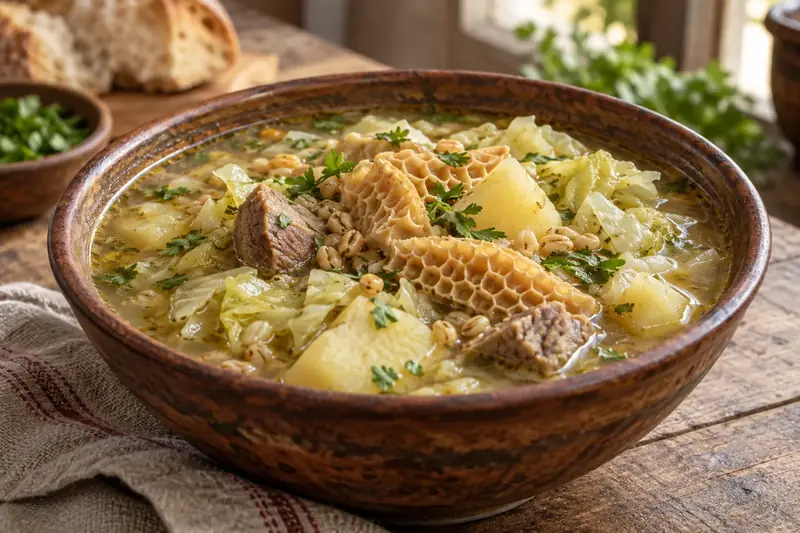
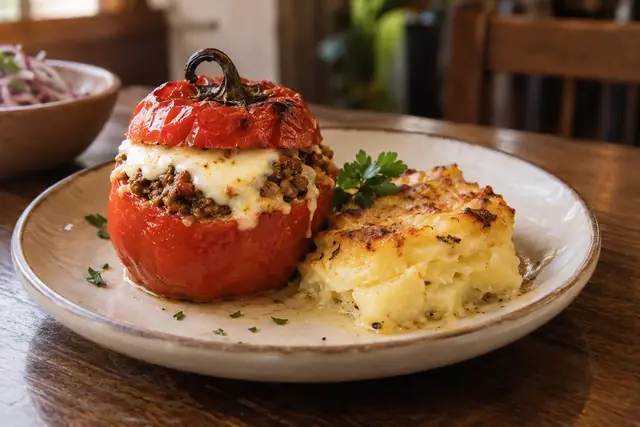
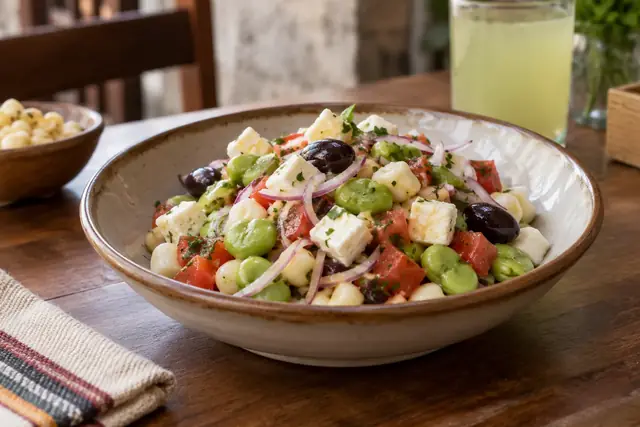
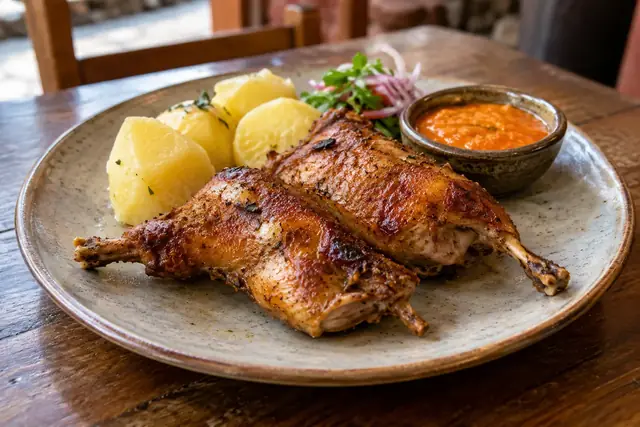
The great dishes on the menu. Rocoto relleno, a rocoto pepper stuffed with meat and baked with cheese, very hot even with the seeds removed; adobo, pork marinated in chicha and spices, a Sunday morning dish; cuy chactado, guinea pig flattened under a stone and fried; chupe de camarones, a soup with crayfish from the Majes River, in season; solterito, a salad of broad beans, fresh cheese, onion and olives. For dessert, queso helado, a cinnamon ice cream despite its name of “frozen cheese”.
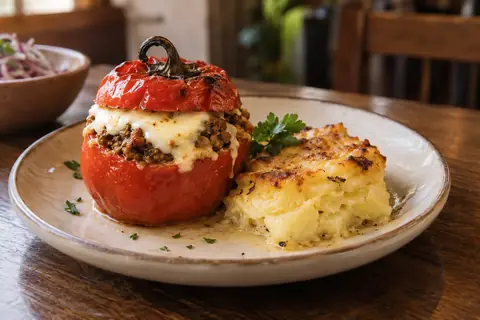
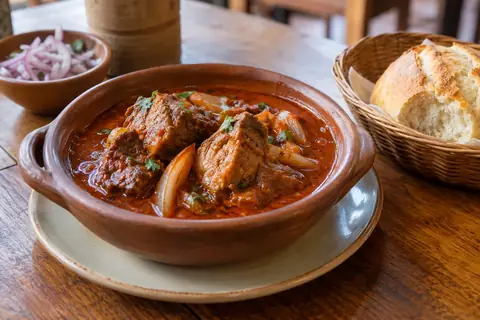
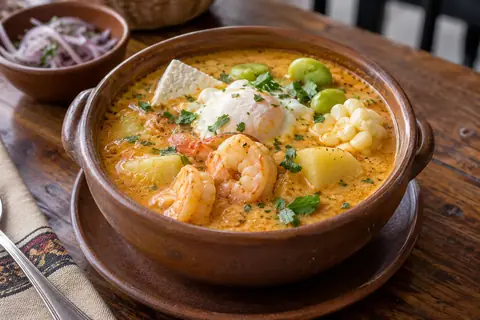
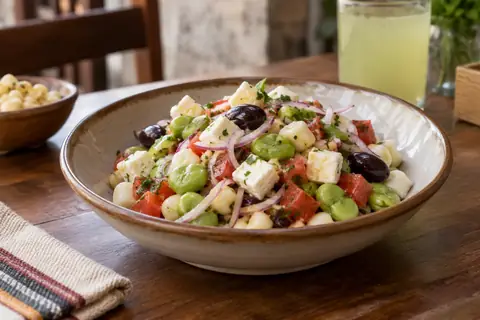
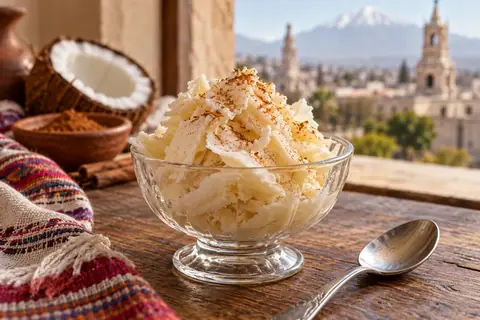
An address: La Nueva Palomino, a picantería in Yanahuara whose published menu follows the calendar of the week’s soups and offers cuy chactado. Before going there for a specific dish, ask whether it is served on the day you want and for how many people.
One, two or three days
One day. The Plaza de Armas and the Society of Jesus church in the morning, Santa Catalina in the late morning, lunch at a picantería, Yanahuara at sunset.
Two days. Add the Santuarios Andinos museum, San Lázaro and San Camilo market; an evening visit to Santa Catalina on a Tuesday or Wednesday.
Three days. Add a morning in the Arequipa countryside (the “campiña”) and its villages, or half a day of rest before the Colca. The Colca itself needs at least two days: see the Colca Canyon.
Where to stay
The historic centre, around the Plaza de Armas and Santa Catalina, lets you do everything on foot; the streets near the bars can be noisy at weekends. San Lázaro offers charming houses in quiet alleys, a few minutes from the centre. Yanahuara, on the other side of the river, is more residential and close to the picanterías, but needs a taxi or a twenty-five-minute walk to the centre. The FDFA recommends caution at night in the centre and booked taxis rather than those hailed in the street.
For booking, Booking (hotels, hostels) and Airbnb (apartments) cover the centre and Yanahuara well. We also have contacts in Peru: write to us if you would like an opinion or an address.
Recreating Arequipa’s cooking at home
To rediscover these flavours at home: our recipes for rocotos rellenos and solterito.
Frequently asked questions
How many days in Arequipa?
Two full days for the city, plus two or three days for the Colca. A single day allows for the centre, Santa Catalina, a lunch and Yanahuara, but in a rush.
Can you see the Juanita mummy all year round?
No: according to PROMPERÚ, she is on display from May to December; from January to April, another mummy discovered on the Sara Sara volcano takes her place, for conservation reasons.
What is a picantería?
A house of regional cooking, originally a chicha bar, which has become a restaurant serving a hearty soup at midday followed by a smaller dish. The Arequipa picantería was declared cultural heritage of the Nation in 2014.
Sources and dates
6 sources
Prices, opening hours and rules change: every piece of information cited links to its source, with the date it was consulted.
Figures and rules cited
- about 2,335 m: Altitude of Arequipa (centre) (Arequipa)
Press or reseller: Wikidata, Arequipa (Q159273), altitude (new tab) · consulted on 1 October 2026 - every day from 9:00 to 17:00; on Tuesdays and Wednesdays until 20:00 (last entry 19:00), with a night visit; closed on Good Friday, 25 December and 1 January: Opening hours of the Santa Catalina monastery, Arequipa (Santa Catalina monastery, Arequipa)
Site management: Santa Catalina monastery, opening hours and prices (new tab) · consulted on 2 October 2026 - S/ 50: Entry to the Santa Catalina monastery, adult (Santa Catalina monastery, Arequipa) (Adult, foreign or Peruvian (S/ 30 for a foreign child aged 7 to 18; free under 7)) . Reduced rate of S/ 20 on the 10th of each month and on the last Sunday of the month. A visit takes about 1 hr with a guide, 1 hr 30 min to 2 hr on your own.
Site management: Santa Catalina monastery, opening hours and prices (new tab) · consulted on 2 October 2026 - on display from May to December; from January to April, another mummy, “Sarita”, from the Sara Sara volcano, takes her place for conservation reasons: Display of the “Juanita” mummy at the Santuarios Andinos museum (MUSA), Arequipa (Santuarios Andinos museum, calle La Merced 110, Arequipa) . Museum of the Universidad Católica de Santa María; opening hours and prices on its website.
Official source: PROMPERÚ, Museo Santuarios Andinos (new tab) · consulted on 2 October 2026 - Santuarios Andinos museum 160 m; Santa Catalina monastery 500 m; San Camilo market 700 m; San Lázaro district 700 m; Yanahuara viewpoint 1.9 km, via the Grau bridge: Walking distances from Arequipa’s Plaza de Armas (Arequipa)
Press or reseller: Walking routes calculated on OpenStreetMap (FOSSGIS routing server, pedestrian profile) (new tab) · consulted on 2 October 2026
Sources consulted
- UNESCO, Historical Centre of the City of Arequipa (new tab) (consulted on 2 October 2026)
- Santa Catalina monastery, the visit and opening hours and prices (new tab) (consulted on 2 October 2026)
- PROMPERÚ, Museo Santuarios Andinos (new tab) (consulted on 2 October 2026)
- Wikipedia (English), Arequipa (history, sillar, earthquakes) and Mummy Juanita (new tab) (consulted on 2 October 2026)
- Wikipedia (Spanish), Gastronomía arequipeña and Picantería (new tab) (consulted on 2 October 2026)
- PROMPERÚ, traditions of the Arequipa picanterías (new tab) (consulted on 25 September 2026)
How we choose and date our information: our method. Has something changed? Let us know.